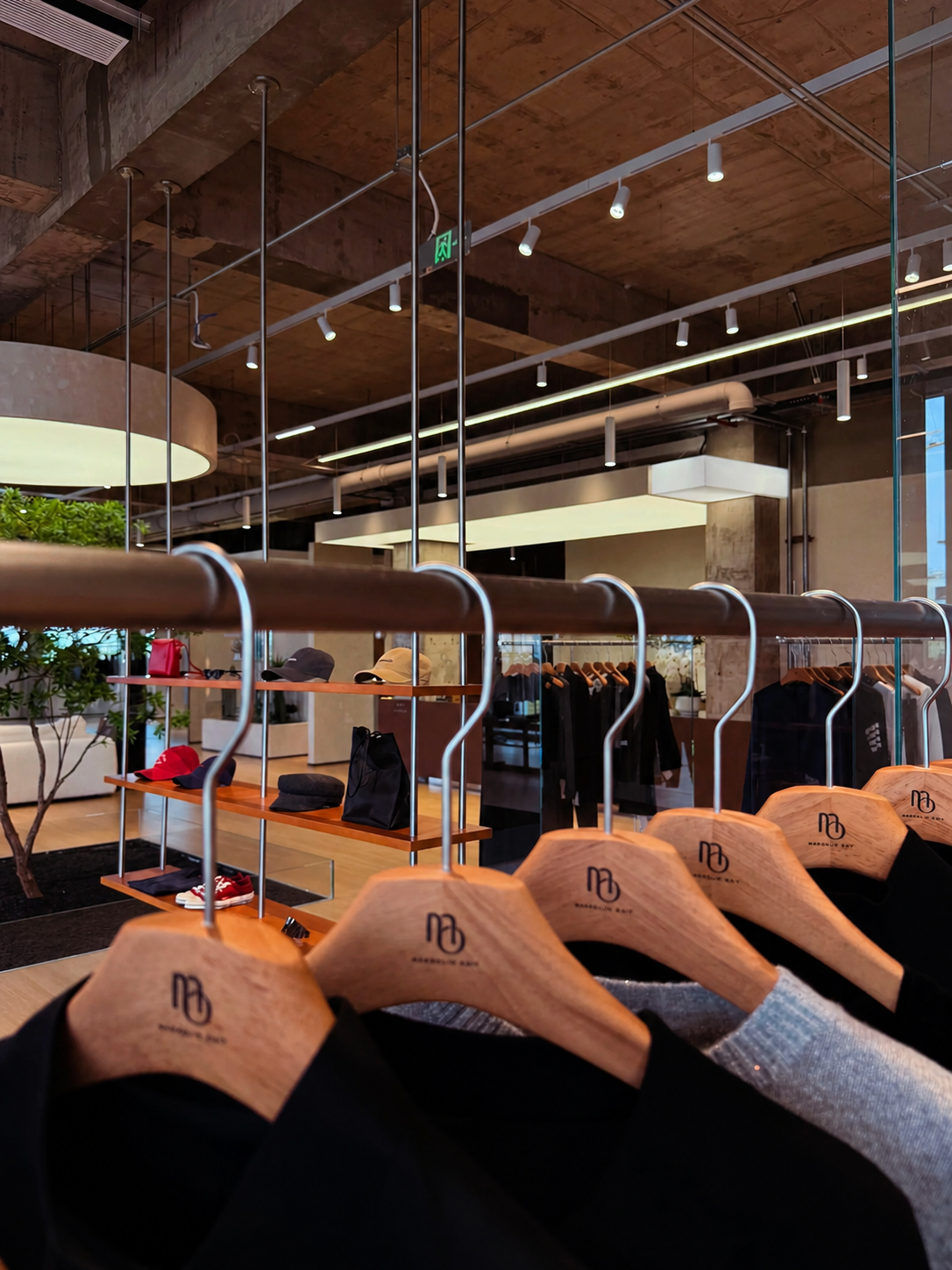
Choosing wooden hangers for fashion brands starts with the garment and the intended display. Boutiques and retail companies need to consider garment type, hanger shape, dimensions, wood material, surface finish, logo customization, hardware and packaging together.
A collection may need several hanger profiles while sharing a consistent finish, logo treatment and hardware color. Explore custom wooden hangers and hanger applications for fashion brands as you prepare your project requirements.
1. Choose the Right Hanger Shape for Different Garments
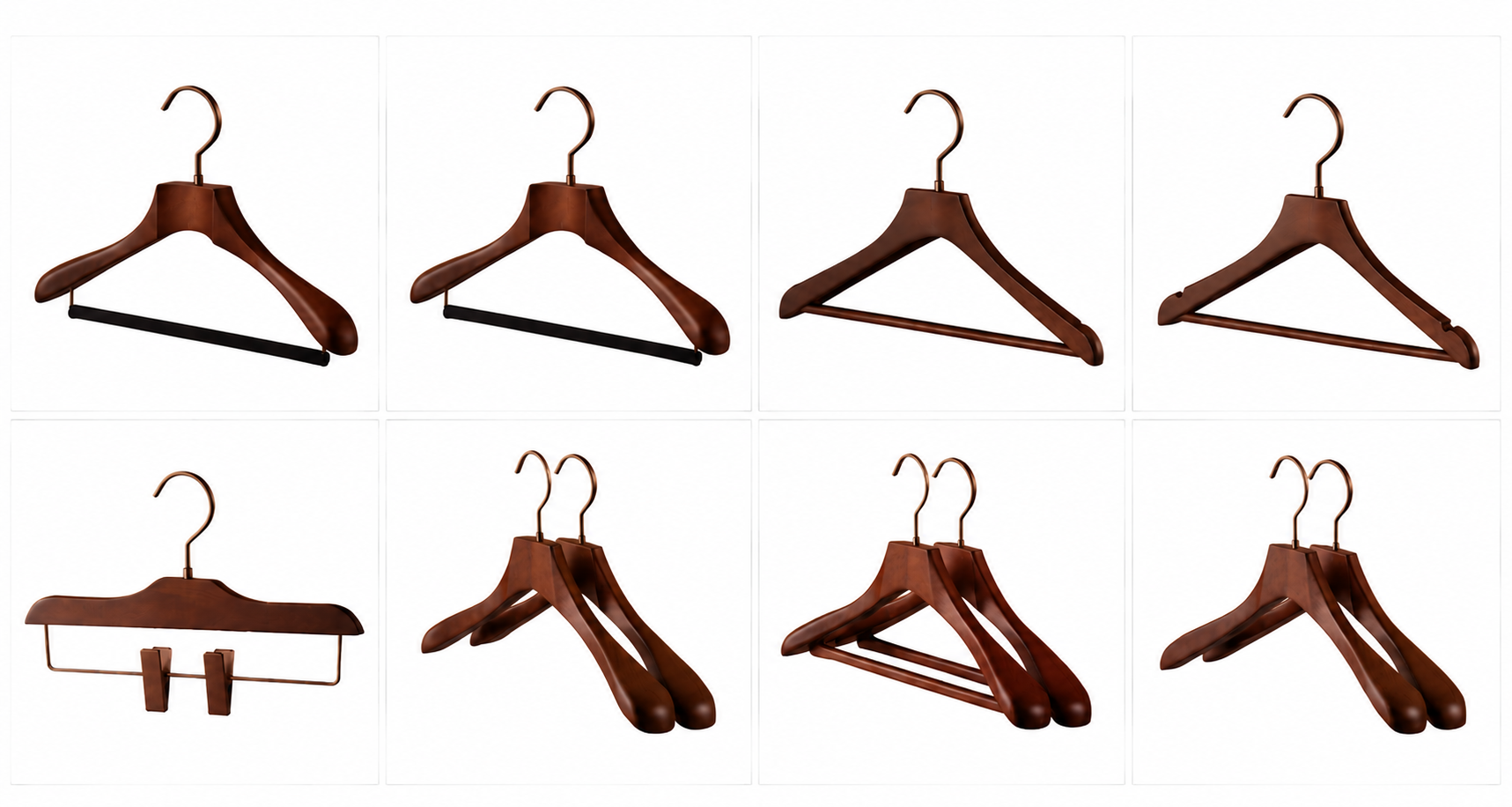
Start by matching the hanger silhouette to the garments it will carry. Shoulder width, hanger thickness and overall shape should be considered together, rather than selecting a profile only for its appearance on an empty rail.
- Suits and jackets: Compare the shoulder profile with the garment’s tailoring. For coordinated sets, consider whether a trouser bar is needed. Review suit hangers with the complete outfit in mind.
- Shirts: Consider the shoulder line and the space available on the display rail. Compare shirt hangers using the shirt sizes and cuts in your collection.
- Coats: Review shoulder width and thickness against the coat’s structure and volume. Select coat hangers around the garments you intend to present.
- Trousers and skirts: Decide whether the garment will be folded over a bar or suspended from clips. Consider the display orientation and the points where the hanger contacts the fabric.
- Special garment collections: Share reference garments or images for unusual necklines, straps, proportions or coordinated looks. Discuss a special profile where a standard silhouette does not suit the presentation.
2. Customize Hanger Dimensions and Shoulder Shape
Define hanger length, shoulder shape and thickness around your garment range. A hanger intended for one collection may not suit every size or cut, so identify which garments can share a profile and which need separate dimensions.
Provide measurements or a reference hanger, and explain any special profiles, shoulder curves or notches you need. Review the proposed shape with representative garments to assess how the shoulders sit, how the garment hangs and how much space the combination occupies on the rail.
3. Select the Right Wood Material
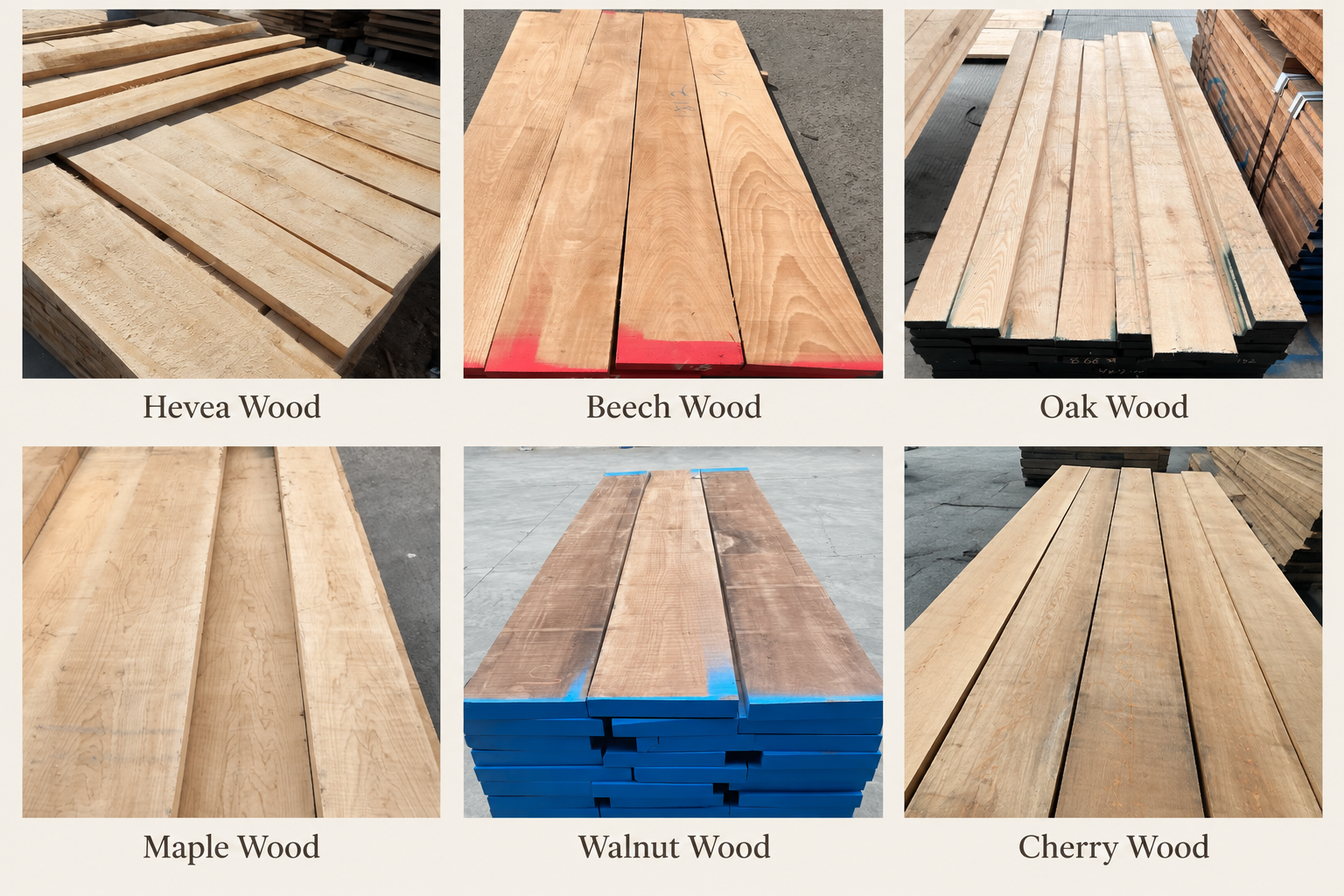
Wood selection is a visual decision as well as part of the product specification. Consider your brand’s visual identity, preference for natural grain, desired color and the finish you plan to use. The supplied material reference shows Hevea, beech, oak, maple, walnut and cherry wood.
Compare the grain and appearance of material samples with your store fixtures and garments. Natural wood can vary in tone and pattern, so use the reference images to discuss your preferences and confirm the selected material with the intended finish. A photograph alone should not define the final color expectation.
4. Choose Surface Finish and Color
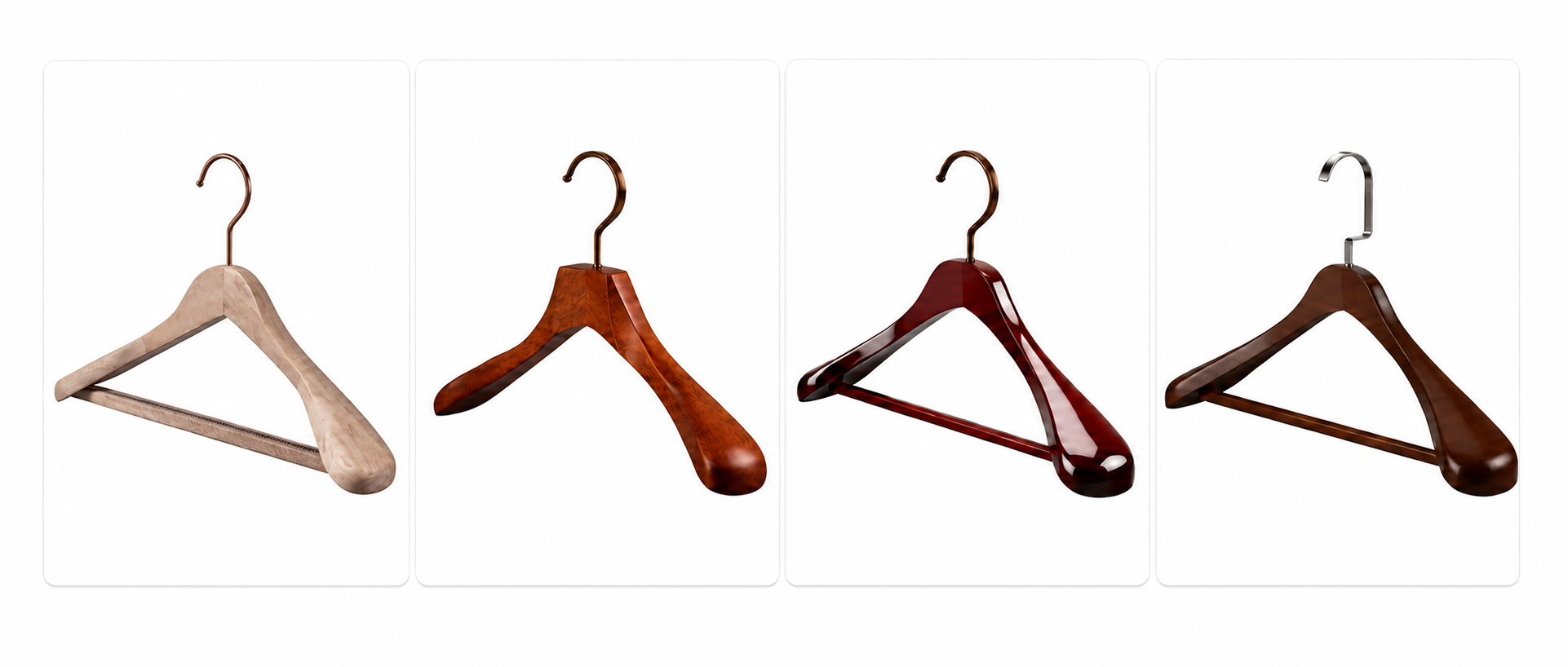
The finish connects the chosen wood with the brand’s retail palette. A natural wood appearance keeps grain visible, while a matte finish creates a less reflective surface. Color coatings and custom color requirements can be discussed where the hanger needs to coordinate with a specific display or collection.
Specify both the color and the surface appearance you want. Share a reference sample where possible and review the proposed finish alongside your garments and fixtures under the intended store lighting. Consider how the finish will work with the logo and hardware before confirming the complete combination.
5. Add Brand Identity with Logo Customization
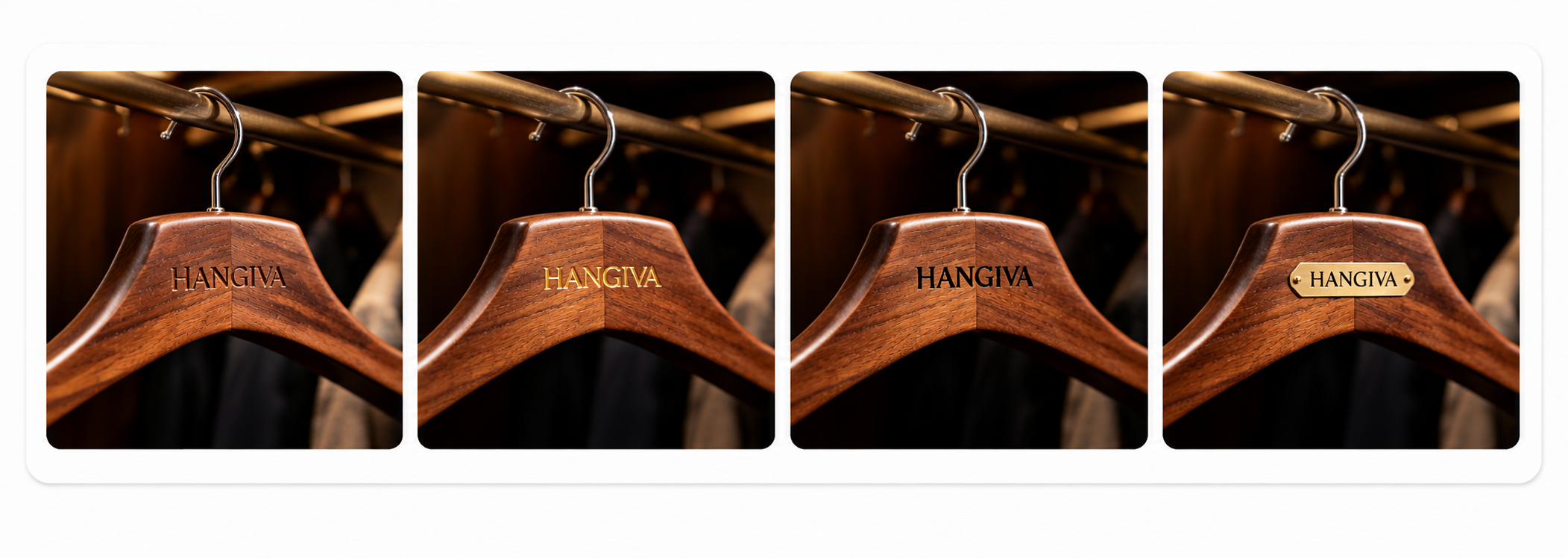
Branded wooden hangers can carry a logo through laser engraving, hot stamping, printing or a metal nameplate. These methods create different visual treatments, so choose the approach around the artwork, wood appearance and finish rather than treating the logo as a final detail.
For custom logo hangers, provide the artwork and indicate the preferred size, placement and color where relevant. Compare how the mark reads on the selected hanger profile and whether the garment will cover it during use. Review the proposed application on the intended finish before confirming it.
6. Select Hardware Components
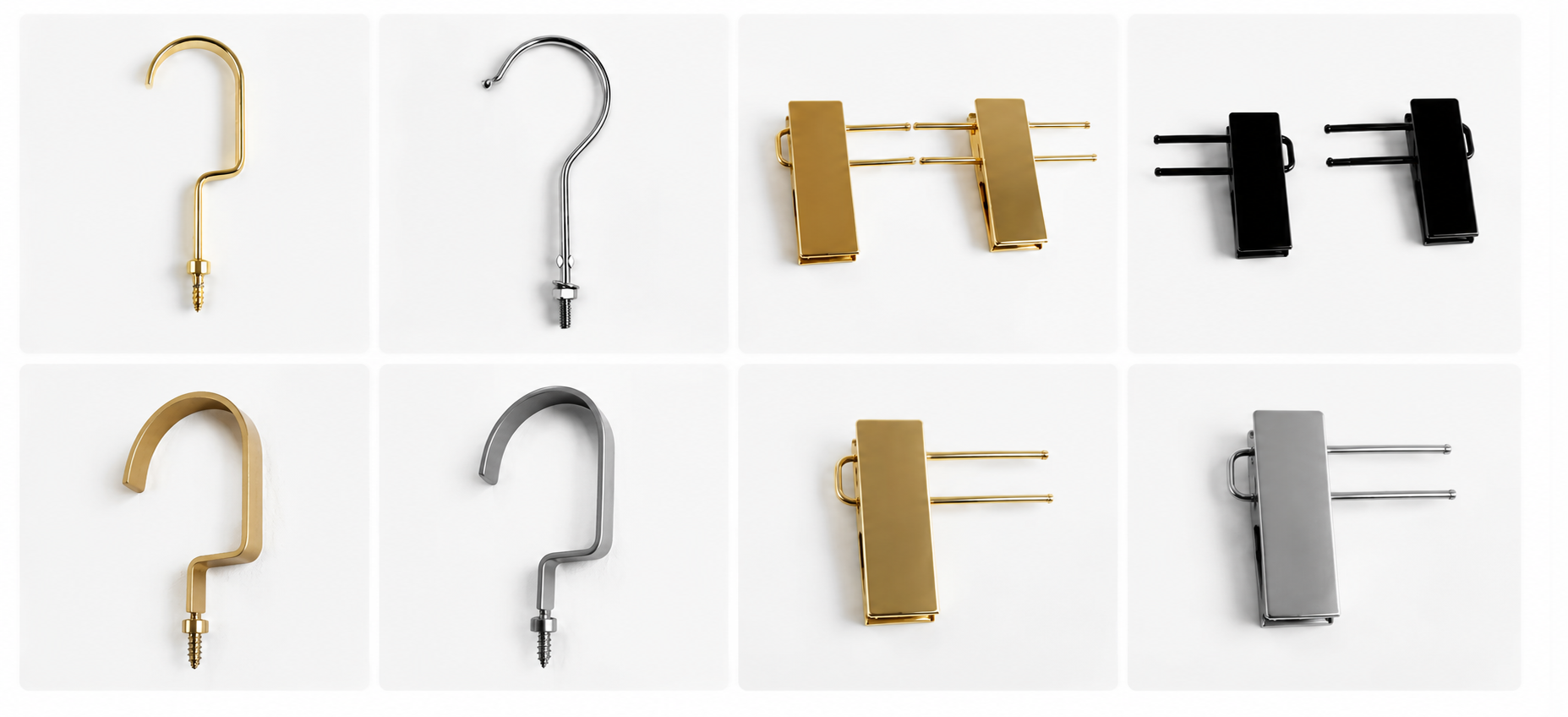
Specify the hook style and color together with any trouser bars, clips or anti-slip components. Hardware can coordinate with the hanger finish and store fixtures while serving the way each garment is displayed.
Discuss hook shape in relation to the display rail. For trouser and skirt styles, identify the preferred bar or clip arrangement. Explain where anti-slip components are needed and which fabrics will contact them, so the proposed combination can be reviewed with the garments.
7. Consider Packaging for Brand Presentation
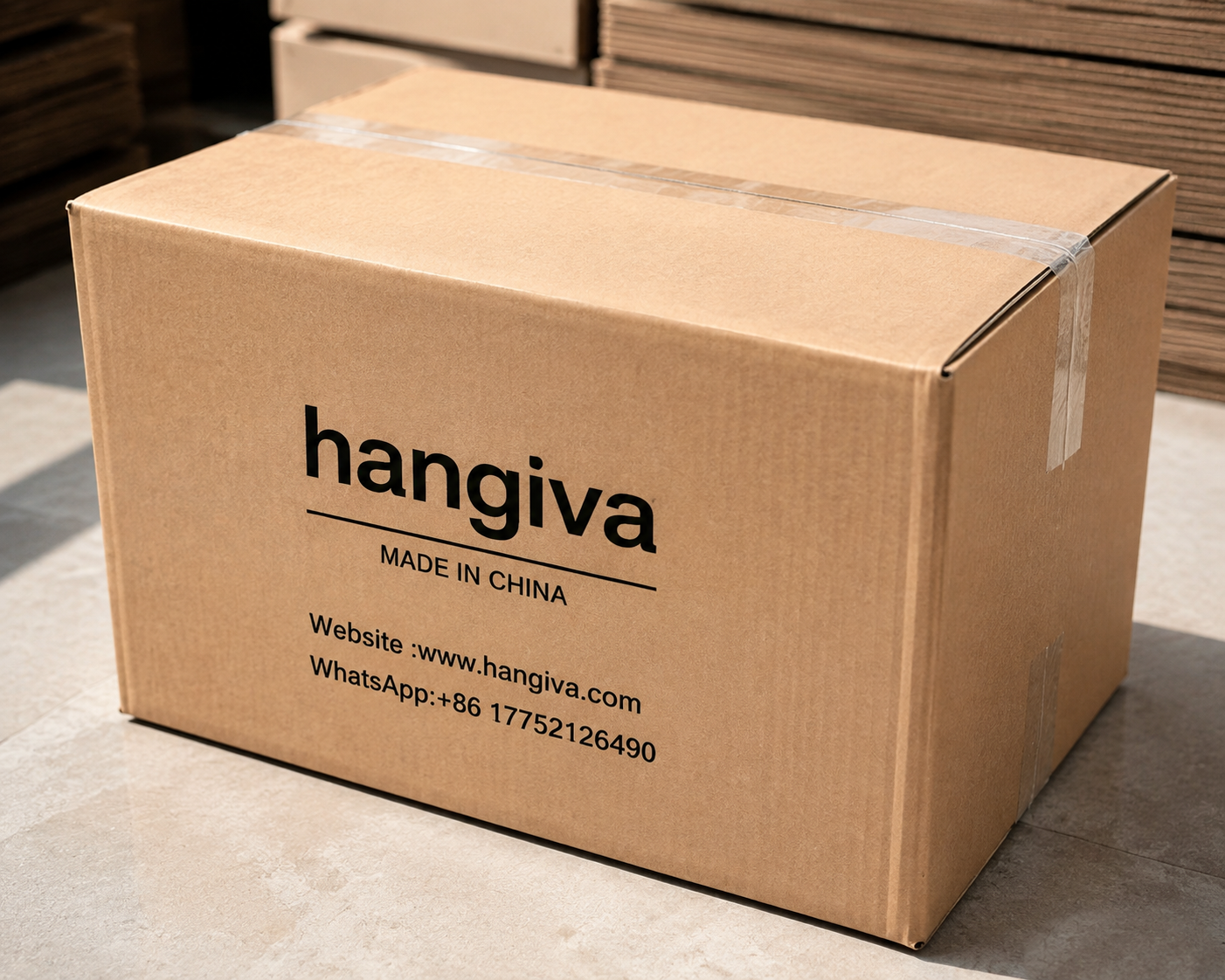
Plan packaging around both transport and the way the hangers will be received and presented. Individual protection, export cartons and brand presentation details should form part of the project brief.
State whether the hangers will go directly into store use, move through a distribution center or be presented with a garment. Discuss individual protection, carton organization, identification and any branded packaging requirements with your wooden hanger manufacturer.
8. Information Needed for a Custom Wooden Hanger Project
A clear brief helps bring the garment, visual and packaging requirements into one discussion. Prepare the following information for your custom wooden hanger project:
- Garment typeIdentify the garments and collections the hangers will display.
- Hanger styleSpecify the intended profile, with or without a trouser bar, clips or other details.
- DimensionsProvide the required length, shoulder shape and thickness, or a reference hanger to discuss.
- Wood selectionIndicate the preferred wood material and the grain appearance you want.
- Finish/colorShare the desired color, surface appearance and a physical reference where available.
- Logo artworkSupply the artwork, preferred application method, size and placement.
- Hardware requirementsList hook style and color, trouser bars, clips and anti-slip components.
- Packaging requirementsDescribe individual protection, carton needs and any brand presentation details.
- QuantityState the intended quantity and how it is divided among styles, sizes or finishes.
- Reference imagesInclude garment, hanger and store-display images that clarify the intended result.